

The following feature is adapted from Architectural Digest Middle East, highlighting the architectural soul and local heritage of this 1990s residence in Amman.
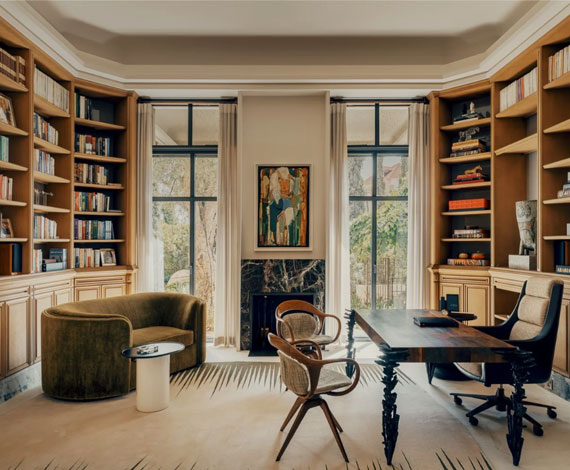
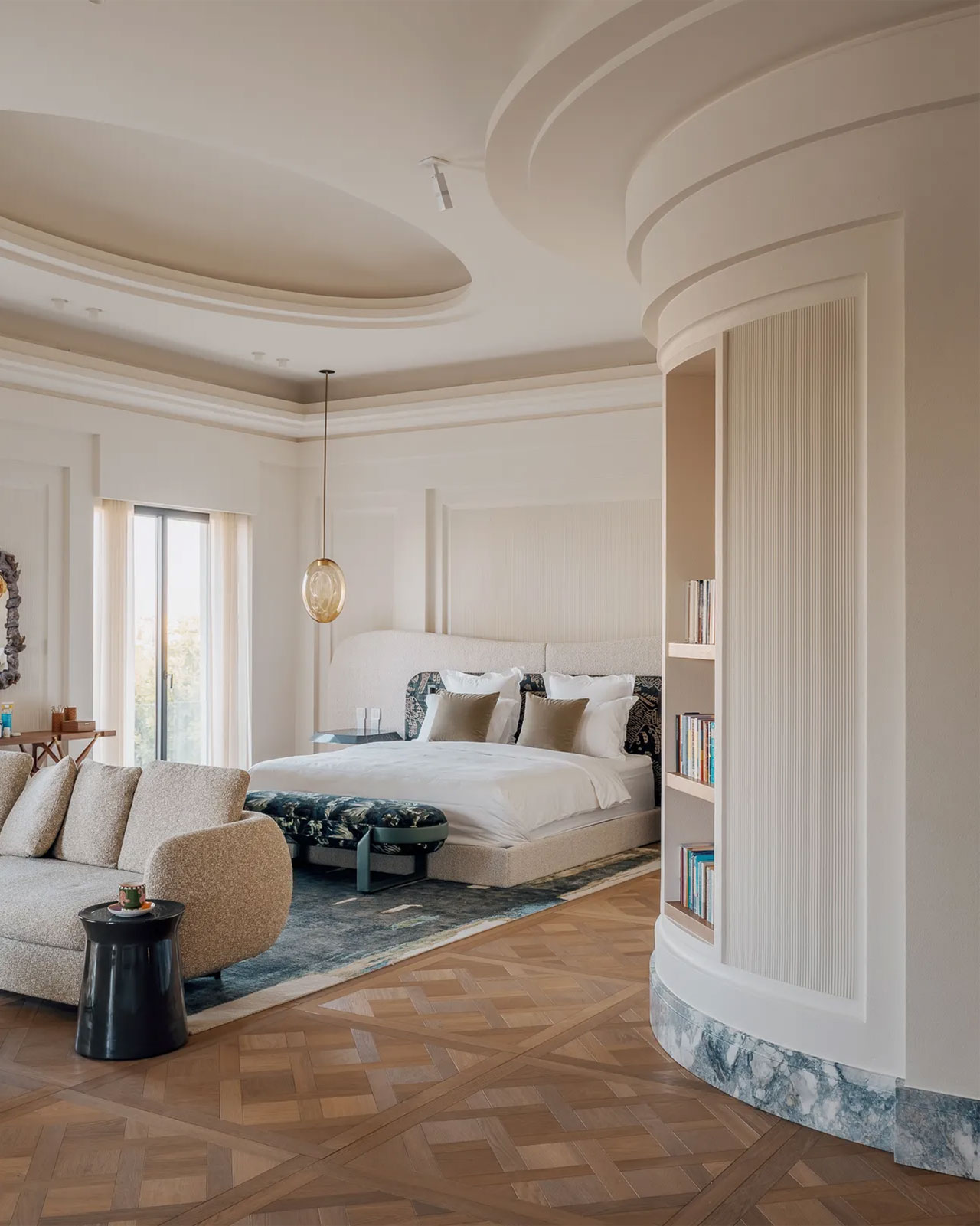
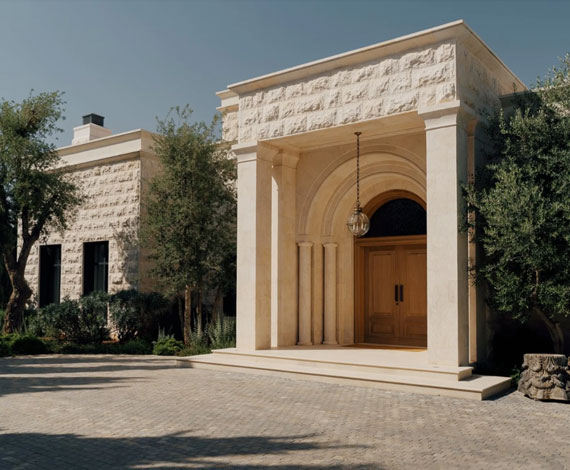
Jordan’s capital, one of the oldest cities in the world, spreads out before this house perched on its heights, offering a breathtaking panorama. Originally built in the 1990s by Jordanian architect Ammar Khammash, the 1,800-square-metre family home has recently been subject to a long renovation process, for which the first sketches were drawn up in 2019. “We started with a small project,” explains French interior architect Tristan Auer. “We redid this, redid that. And then we tore everything down and redid absolutely everything. The client had high expectations. When we first arrived at the house, it was almost neo-Florentine, Italian, with an appealing patina. But the owner didn’t like it anymore. She had been there 20 years and she asked us to reimagine the home.”
The entire structure of the Amman house was redesigned to accommodate the modern lifestyle of the couple who owns it as well as their three grown-up children. As they love to entertain, the project included incorporating a reception floor.
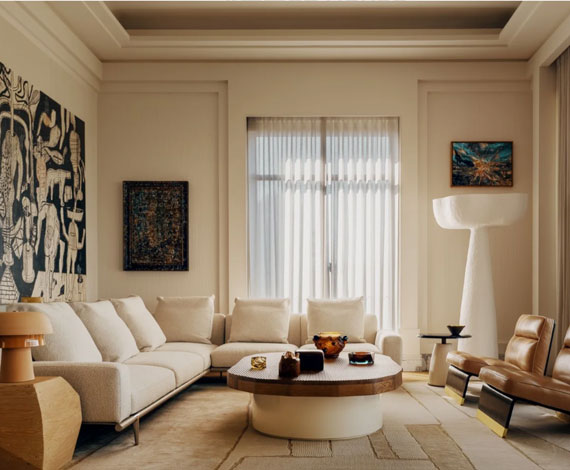
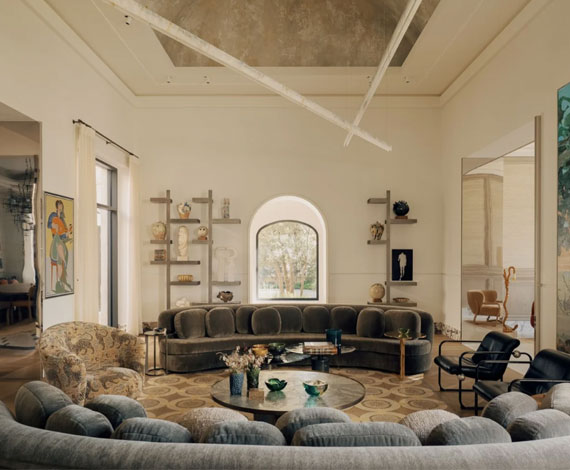
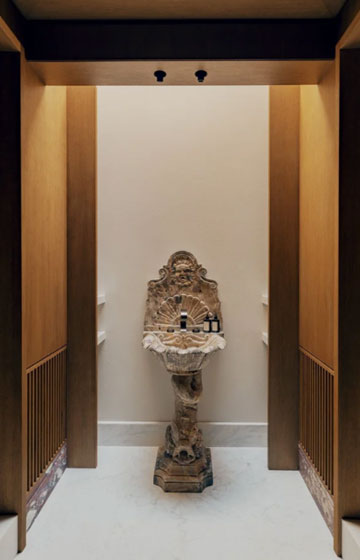
Existing features of the house were preserved or enhanced, such as the extraordinary mosaic in the centre of the living room, and the ceiling with its original shape – which now has an added patina that has given it new depth. In terms of furniture, Auer opted for a mix of pieces he designed himself, such as a sofa originally conceived for the Les Bains hotel in Paris; furniture designed by other French talents, such as Laura Gonzalez and Christophe Delcourt; and items found in flea markets or purchased in galleries, with a number of notable European influences.
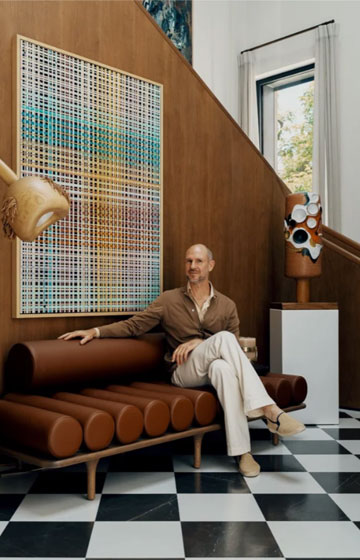
“I was born with [this idea of] the total look; I was born with Christian Liaigre, artistically speaking,” says Auer. “Then there was Philippe Starck, who also designs with a kind of total look, even if he doesn’t limit himself to his own pieces. I don't know how to do it. I don't know how to impose things on a space that I don’t believe in. I like to let myself be surprised, carried away by things that, at first glance, are not to my taste and don’t appeal to me. Taste evolves. Decoration is also about consumption and the pleasure of changing things.”
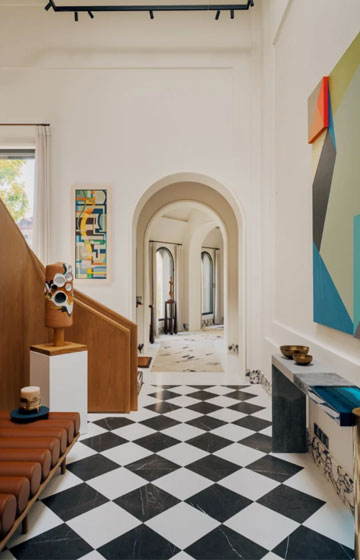
Auer also had to accommodate the couple’s impressive art collection, composed of works by local artists and artists from the Arab world, some of whom were discovered 30 or 40 years ago, long before they became famous. A neutral palette was chosen to highlight the bright colours of the paintings on the walls.
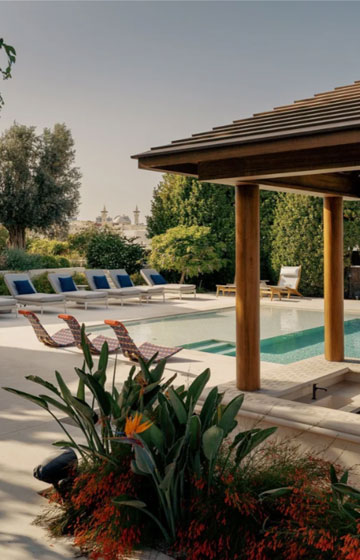
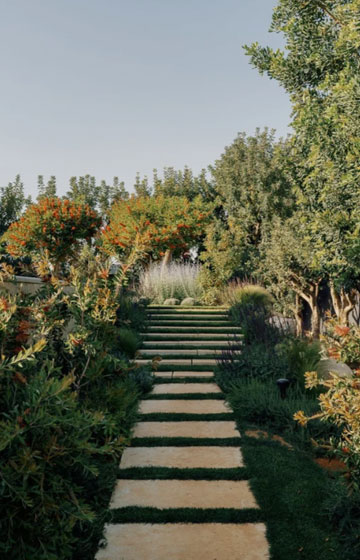
Despite the very urban setting of this Amman home, which is in a central neighbourhood of the city, you at once feel like you are in the heart of an oasis. This impression is further enhanced by the garden and swimming pool. “Initially, the house was built on a site where there was nothing and then the city gradually expanded around it in an incredible way,” says Auer. “We redesigned the swimming pool and gazebo and added a bar. Just like at an estate in Palm Springs, you can sip a piña colada while enjoying the view.”
Light plays an important role in the interior design, and depending on the time of day the family may move from one room to another. In this project, Auer also wanted to emphasise differences in the rhythm of spaces and their volumes, which are highlighted by a variety of arches. There are also more contemporary touches, such as the staircase, which has been completely redesigned as it originally had a large, too traditional wrought-iron banister.
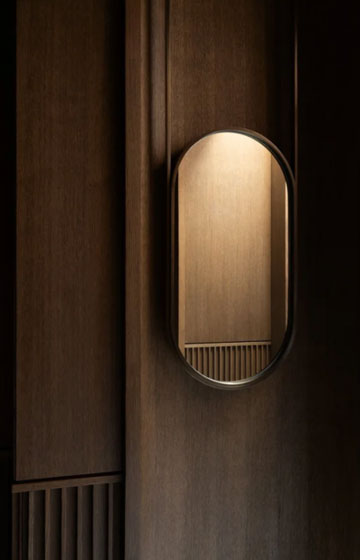
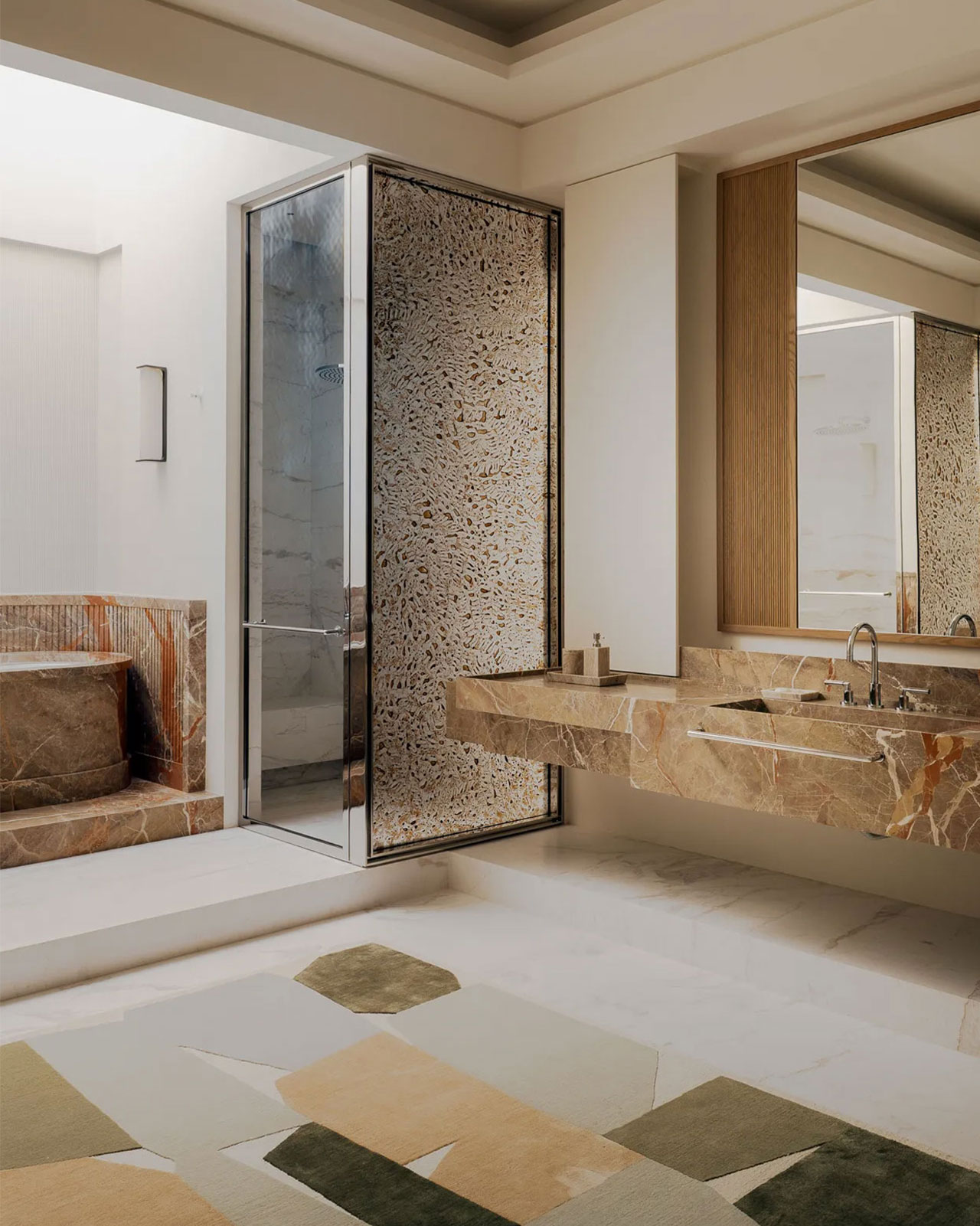
This project stands out for the quality and scale of its craftsmanship, with everything executed by local artisans. “There are carpenters here who specialise in making sublime marquetry doors and high-quality solid parapets using traditional methods," the designer explains. Each piece reveals meticulous attention to detail and is made of the finest materials.
With this approach, Auer recalls the very essence of his profession and the philosophy that guides all of his projects. “Our job is to create spaces for people, to try to understand how they live, how they entertain, their culture, their family relationships," he says. We learn what they need in order to go a little further.